

Writing
Just Press Play To Hear The Piece.
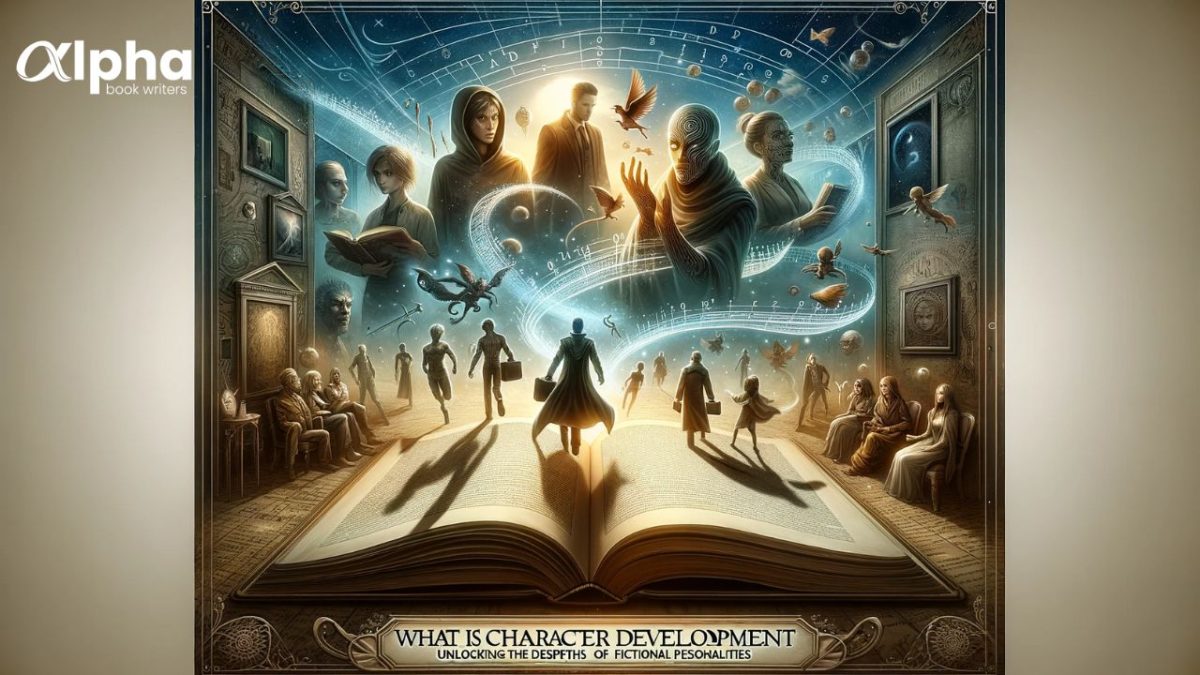
Character development is a key part of writing interesting and compelling fiction. It’s the process of creating and shaping fictional personalities in a way that brings them to life and makes them real, interesting, and memorable to audiences. In this article, we’ll talk about how important character development is when writing fiction and uncover techniques that can unlock the depths of fictional personalities.
Understanding Character Development
1. What is character development?
Character development encompasses the art of crafting multidimensional characters that undergo growth and transformation throughout a story. It means giving each character unique traits, motivations, wants, and flaws to make them seem real and believable. 10 Authors can bring their fictional personalities to life through character development, which lets readers connect with them and care about their stories.
2. Why is character development important in fiction writing?
Character development is crucial in fiction writing for several reasons. First, well-developed characters add depth and complexity to the story, making it more interesting and captivating for readers. Characters that feel real, as vital as how to become a comic book writer, connect better with the audience, making them feel something and making them feel like they know the character.
Second, the plot is advanced by strong character development. Characters with clear objectives, like those in how to write a mystery short story, propel the narrative. As readers care more about the characters’ journeys, they become more involved in the story and eagerly turn the pages to see how their favorite characters will solve problems and grow.
3. Elements of Character Development
Character development is making a character into a fully realized person. These include:
3.1 History and background
Every character has a history, much like the life and works of an author, that shapes who they are. Writers can learn more about a character’s experiences, tragedies, and important life events by learning about their past. By digging into a character’s past, writers can give them a more complex and real personality that readers can relate to.
3.2 Personality traits and quirks
Character development involves defining a character’s personality traits, such as strengths, weaknesses, fears, and quirks. These unique traits make the character stand out in readers’ thoughts and add to their individuality. Whether it’s a nervous tick or a charming sense of humor, these “quirks” give the character depth and make them seem more real.
3.3 Goals, motivations, and conflicts
Characters are influenced by their wants, goals, and inner struggles. Knowing what drives the fictional personalities and what they want to achieve helps you see how they change throughout the story. Both internal and external conflicts add drama and move the story along.
3.4 Relationships and interactions
Characters don’t live in a story alone; they connect with other characters. Adding links between characters, whether they are friendships, romances, or fights, gives them more depth. These interactions can shape their growth and show different sides of their character.
4. Techniques for Effective Character Development
Creating fictional personalities who are memorable and interesting takes skill. Here are some techniques that can improve character development:
4.1 Rather than telling, show
Instead of saying what a character is like, show it through what they say, act, and do. Let the reader figure out who the character is based on what they do, how they act, and how they interact with the world. People can connect with the characters and care about their stories in this way.
4.2 Dialogue and inner thoughts
Conversations between characters show who they are, what they think, and how they feel. Writers can show how a character talks and thinks in their way by using conversation. Also, letting readers hear what a character thinks and says gives them a better idea of what drives, scares, and drives them.
4.3 Symbolism and imagery
Symbolism, as effective as the role of a romance novel cover in marketing and sales, aids character development. An author can show more about the character by putting a certain item, color, or setting with a character and making the reader feel something. Symbolic elements can show a character’s inner struggles or growth, which makes their development more complicated.
4.4 Character arcs and growth
Character arcs, central like in how to read like a writer, depict change and are tied to character development. Characters can grow in a good way by fighting their flaws and learning lessons, or they can grow in a bad way by giving in to their weaknesses. Character arcs let readers see how people change over time, which makes their journeys more interesting.
5. The Role of Character Development in Engaging Readers
Character development is crucial to hook readers and pull them into the story. Here’s how character development contributes to a captivating reading experience:
5.1 Creating relatable and compelling characters
Characters that readers can emotionally relate to are more likely to be read. By giving characters’ traits, experiences, and goals that readers can relate to, writers make a connection between the real world and the world of the story. Readers are likelier to empathize with and invest in the story’s conclusion when the characters are relatable.
5.2 Generating emotional connections
Characters who face problems, overcome them, and change emotionally are very interesting to readers. When readers see a character go through hard times, they feel a wide range of feelings. This makes them feel close to the character. These emotional links keep readers interested in the story and eager to see how the characters’ deal with problems.
6. Character Development and Book Writing
Character development is one of the most important parts of book writing, affecting many different areas of the craft:
6.1 How character development impacts the plot
The characters drive the plot of a story. Their goals want, and disagreements drive the story forward and give it drama and stakes. By carefully building characters, writers can shape plots that keep readers interested and eager to discover what happens.
6.2 Incorporating character development into the writing process
Authors must think about how their characters grow and change during the writing process. Before they start writing, they should learn about a character’s past, what drives them, and what kind of person they are. By knowing their characters well, writers can ensure consistency and create well-rounded characters that readers can relate to.
7. The Importance of Character Development for Book Marketers
Character development also holds significance for book marketers. Here’s why:
7.1 Building reader engagement and loyalty
When writers write books with well-developed characters, it grabs readers’ attention and keeps them interested. When readers care about the characters, they become loyal fans who can’t wait for the next book by the author. Building strong reader engagement and loyalty is vital for book marketers seeking to establish a solid fan base.
7.2 Generating positive word-of-mouth
Readers, like those engaged by how to make a visual novel, are more likely to share books with interesting characters. Positive word-of-mouth about a book can greatly affect how well it sells and how famous it becomes. Character-driven stories that have a lasting effect on readers are more likely to get good reviews and buzz in the literary world.
7.3 Increasing book sales and popularity
Character development can directly affect how many books are sold. So you can professional article writing service for tips on character development. Readers are persuaded to buy the book and spread the word about it by the characters, who are interesting and approachable. As more readers connect with the characters, the book’s popularity and sales can go through the roof, bringing the author a bigger audience and more attention.
Conclusion
Character development is a key part of writing fiction because it gives fictional personalities depth, realism, and a sense of familiarity. Well-developed characters add to the reader’s experience by moving the story forward and creating emotional ties. Character development is a key part of making stories that readers care about, and both writers and book marketers should know this.